




How much CBD does your body actually absorb? Explore how gummies, tinctures, vaping, and topical products compare, why dietary fats matter, and practical ways to make more informed CBD choices.

CBD and THC are two of the most talked-about compounds in cannabis — yet many consumers still aren’t entirely sure how they differ.
Are they interchangeable? Do they affect the body the same way? And why do some products contain one cannabinoid, while others combine both?
Understanding the difference between CBD and THC can help consumers make more informed decisions about the products they choose, whether they are exploring wellness-focused products, cannabis edibles, or simply trying to better understand how cannabinoids work.
In this beginner-friendly guide, we’ll break down the key differences between CBD and THC, including how they interact with the body, common product formats, potential effects, and why understanding cannabinoids matters before experimenting with infused products, edibles, or different cannabis consumption methods.
For readers new to cannabinoids, this article pairs well with our guide to [What Are Cannabinoids?] 1 and our educational overview on [How to Make Cannabis Cooking Oil] 2, which explores why cannabinoid knowledge matters in homemade infusions and edibles.
CBD (cannabidiol) and THC (tetrahydrocannabinol) are two of the most abundant cannabinoids found in the cannabis plant, but they affect the body very differently.
THC is the primary psychoactive cannabinoid associated with the intoxicating effects commonly linked to cannabis. CBD, by contrast, is considered non-intoxicating and is commonly used in wellness-focused products that do not produce a traditional cannabis “high.”
Although both cannabinoids come from cannabis, CBD is commonly derived from hemp — a federally legal classification of cannabis containing less than 0.3% THC under U.S. law. THC products are more commonly associated with marijuana-derived cannabis varieties containing higher concentrations of THC.
So, is CBD the same as THC? Not at all.
While they share a similar chemical origin and both interact with the body’s endocannabinoid system, their effects, consumer experiences, legal treatment, and product applications can differ significantly.
Understanding those differences becomes especially important when choosing products such as tinctures, gummies, beverages, topicals, or infused cooking oils.
While CBD and THC are often discussed separately, many cannabis products contain multiple cannabinoids and terpenes that may interact in complex ways.

| FEATURED | CBD | THC |
|---|---|---|
| Psychoactive Effects | Non-intoxicating | Psychoactive/intoxicating |
| Common Consumer Use | Wellness-focused products and non-intoxicating cannabis experiences | Euphoric or psychoactive cannabis experiences and adult-use products |
| Federal Legal Status (U.S.) | Federally legal if hemp-derived | Federally illegal, though legal in some states |
| Common Product Types | Oils, gummies, capsules, topicals | Flower, edibles, vape products, oils |
| Source | Hemp or marijuana-derived cannabis | Marijuana-derived cannabis with higher THC concentrations |
| Consumer Experience | Often described by consumers as relaxing or balancing | Often associated with euphoria or altered perception |
THCA (tetrahydrocannabinolic acid) is the raw, non-intoxicating precursor to THC found in freshly harvested cannabis.
When cannabis is heated through smoking, vaping, or cooking, THCA converts into THC through a process called decarboxylation. This is what activates THC’s psychoactive effects.
CBD works differently and does not require the same heat-based activation process associated with THCA conversion. This is why many CBD oils and tinctures can be used without smoking, vaping, or cooking.
Understanding this distinction is particularly important for consumers experimenting with homemade infusions or edibles, where temperature and preparation methods can influence how cannabinoids behave in the final product. Readers interested in infusion consistency can also explore our educational guide on decarboxylation and cannabinoid activation 3.
TExcellent Overview of Cannabinoids

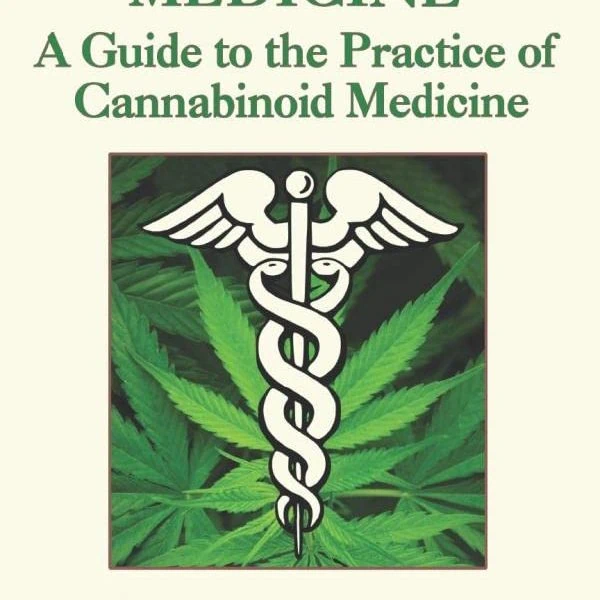
Cannabis Medicine: A Guide to the Practice of Cannabinoid Medicine
An extraordinarily valuable tool for anyone interested in cannabis medicine
This book offers a quick introduction and overview of cannabis, cannabinoids, and the endocannabinoid system for discerning patients or anyone interested in cannabinoid medicine.
CBD and THC share the same molecular formula — C₂₁H₃₀O₂ — but their chemical structures are arranged differently. That subtle variation changes how each cannabinoid interacts with the body and helps explain why their effects can feel so different.
While CBD and THC originate from the same cannabis plant family, their distinct molecular structures influence everything from psychoactive effects to consumer experiences and product formulations.
For most consumers, the takeaway is simple: small chemical differences can lead to very different outcomes.
Both CBD and THC interact with the body’s endocannabinoid system (ECS), a complex signaling network involved in regulating functions such as mood, sleep, appetite, stress response, memory, and immune balance. 1
THC interacts more directly with CB1 receptors located primarily in the brain and central nervous system. This interaction is associated with the psychoactive and intoxicating effects commonly linked to cannabis.
CBD works differently. Rather than strongly binding to CB1 receptors, CBD appears to influence the ECS more indirectly by affecting how the body regulates its own naturally occurring cannabinoids. Researchers continue to study exactly how these interactions work, as cannabinoid science is still evolving. 2
Some consumers also report that CBD may help moderate certain effects associated with THC when the two cannabinoids are used together, though individual experiences vary depending on dosage, product formulation, tolerance, and body chemistry.
This interaction between cannabinoids and other naturally occurring cannabis compounds is often discussed within the context of the “entourage effect,” a theory suggesting cannabinoids and terpenes may behave differently together than they do in isolation. While the concept is widely discussed within the cannabis industry, research in this area is ongoing.
Understanding these interactions can become especially important for consumers experimenting with infused oils, edibles, or homemade cannabis products, where cannabinoid ratios and preparation methods may influence the overall experience.

CBD and THC can affect people very differently, and no two cannabis experiences are exactly alike. Factors such as dosage, cannabinoid ratio, product type, tolerance, metabolism, and individual body chemistry can all influence how someone responds.
THC is commonly associated with euphoric or psychoactive effects and is often found in adult-use cannabis products intended for relaxation, altered perception, or recreational experiences. Some medical cannabis patients also use THC-containing products under physician supervision for symptom management related to appetite, nausea, discomfort, or sleep support. 3
CBD, by contrast, is generally associated with non-intoxicating wellness-focused products. Many consumers incorporate CBD into wellness routines focused on relaxation, balance, or non-intoxicating cannabis experiences without the traditional cannabis “high.”
Consumers commonly explore CBD products for:
Because hemp-derived CBD products are federally legal in many situations under U.S. law, they are often more accessible to consumers who are curious about cannabinoids but not interested in intoxicating effects.
At the same time, cannabinoid research and product innovation continue to evolve rapidly. Researchers are still studying how cannabinoids interact with the body, how different formulations behave, and why individual experiences can vary so significantly.
Consumers often compare CBD and THC based on the type of experience they are seeking, but there is no universal “best” cannabinoid for every person or situation.
Many consumers prefer CBD for daytime relaxation or stress-management routines because it is non-intoxicating. Others may prefer THC-containing products in lower doses for evening relaxation, though THC can affect individuals differently and may increase anxiety or discomfort in some users.
Some consumers report that THC-containing products provide stronger psychoactive body effects, while others prefer CBD-focused formulations for recovery-oriented wellness routines or post-exercise support.
THC and CBD may affect sleep differently depending on the person, product, dosage, and timing. Some consumers use THC-containing products in the evening because of their relaxing effects, while others prefer CBD-focused products as part of nighttime wellness routines.
Cannabinoids are also widely discussed within medical cannabis research and patient communities. However, consumers should speak with a qualified healthcare professional before using cannabinoid products for serious medical conditions, especially when combining cannabis with medications or existing treatment plans.
Like many wellness or cannabis products, CBD and THC may produce unwanted effects in some individuals, particularly at higher doses or when combined with medications or other substances.
Consumer experiences can vary widely based on:
Understanding potential side effects and choosing lab-tested products from reputable sources can help consumers make more informed decisions.

CBD is generally considered well tolerated, though some consumers may experience side effects such as:
CBD may interact with certain medications, particularly those processed through the liver. Consumers taking prescription medications should consult a healthcare professional before adding CBD products to their routine. 4
Research regarding cannabinoid use during pregnancy or breastfeeding remains limited. Out of caution, pregnant or nursing individuals should avoid cannabinoid products unless advised otherwise by a qualified healthcare provider.
Unlike THC, CBD is not generally associated with intoxicating effects.
THC can affect individuals differently depending on dosage, potency, product type, tolerance, and overall cannabinoid sensitivity.
Potential short-term effects associated with THC may include:
Because THC can impair judgment, coordination, and reaction time, consumers should never drive or operate machinery while under its influence.
Researchers continue to study the potential long-term impacts associated with frequent or high-dose THC use, particularly among adolescents and individuals with certain mental health risk factors. 5
Inhaled cannabis products may also carry respiratory considerations, especially when smoked rather than vaporized or consumed through non-inhaled delivery methods.
Consumers should also be aware that THC products can:
As legal cannabis markets continue to evolve, regulated products tested for potency and contaminants may offer greater transparency than unregulated products obtained outside licensed systems.
For consumers exploring THC for the first time, starting with low doses and choosing lab-tested products from reputable brands can help support safer experiences.

There is no one-size-fits-all cannabis experience. The best product format often depends on a person’s lifestyle, comfort level, desired experience, and preferred onset time.
Today’s cannabis and hemp markets offer a wide range of CBD and THC products, from beverages and gummies to tinctures, topicals, and inhalable products. Each product format interacts with the body differently and may produce different onset times and durations.
Understanding these differences can help consumers make more informed choices before experimenting with cannabinoids.
Edibles such as gummies, chocolates, baked goods, and infused beverages are among the most popular cannabinoid product formats.
Unlike inhaled products, edibles must pass through the digestive system before effects are felt. As a result, onset time is slower — often ranging from 30 minutes to 2 hours depending on metabolism, dosage, and whether food has been consumed.
CBD gummies are commonly incorporated into wellness-focused daily routines, while THC edibles are often associated with longer-lasting psychoactive experiences.
Because edible effects can take time to appear, overconsumption is one of the most common mistakes among inexperienced users. Consumers new to THC edibles are generally encouraged to start with low doses and wait before consuming more.
Understanding cannabinoid activation and infusion consistency also becomes especially important with homemade edibles and infused oils. Readers interested in cannabis cooking fundamentals can explore our guides to [How to Make Cannabis Cooking Oil] 2 and [How to Decarb Cannabis Properly] 3.
Smoking dried cannabis flower produces effects relatively quickly because cannabinoids enter the bloodstream through the lungs.
Some consumers prefer inhaled products because they allow for more immediate onset and easier adjustment of dosage based on how the experience feels in real time.
CBD flower products are often marketed toward consumers seeking non-intoxicating cannabis experiences, while THC flower products are more commonly associated with psychoactive adult-use or medical cannabis markets.
However, smoking of any kind may carry respiratory considerations, and smoking cannabis may be restricted in certain public places, rental housing, or smoke-free environments depending on local laws.
Vaporized cannabinoid products have become popular among consumers seeking an alternative to smoking.
Many consumers describe vaping as:
However, product quality matters significantly.
Consumers should avoid unregulated or improperly manufactured vape products, particularly products without third-party testing or ingredient transparency. In recent years, contaminated vaping products have been associated with serious health concerns. 6
Whenever possible, consumers should choose lab-tested products from reputable brands operating within regulated markets.
Oils and tinctures are commonly used by placing drops under the tongue, where cannabinoids are absorbed through oral tissues before entering the bloodstream.
Many consumers appreciate tinctures because they:
Hemp-derived CBD oils are widely available throughout much of the United States, while THC oils are typically sold only through licensed medical or adult-use cannabis programs in states where THC products are legal.
Product labels can vary significantly, so understanding cannabinoid ratios, serving sizes, and potency becomes especially important when using concentrated oils or tinctures.
Topical cannabinoid products are applied directly to the skin and are commonly used as part of localized wellness or recovery routines.
These products may include:
CBD topicals are widely available in hemp wellness markets, while THC topicals are generally sold through licensed cannabis dispensaries in legal states.
Because topical products are not typically associated with intoxicating effects, some consumers prefer them as a more approachable entry point into cannabinoid products.
Cannabis-infused beverages have become one of the fastest-growing product categories in both hemp and cannabis markets.
Consumers can now find:
made with CBD, THC, or combinations of cannabinoids.
CBD beverages are generally marketed toward non-intoxicating wellness experiences, while low-dose THC beverages are often positioned as social or adult-use alternatives to alcohol in legal markets.
As with edibles, onset times and effects can vary significantly depending on formulation and dosage.
Cannabinoids are also available in:
Some consumers prefer capsules because they offer familiar, pre-measured serving sizes similar to traditional supplements.
Transdermal patches are designed to release cannabinoids gradually over time, while specialty medical-use formulations may include less common delivery methods used under physician guidance.
As cannabis innovation continues to evolve, new cannabinoid delivery systems are likely to emerge across both wellness and regulated cannabis markets.
At first glance, CBD flower and THC flower can look remarkably similar.
Both may feature:
The primary difference lies in cannabinoid content rather than appearance.
CBD flower — often labeled hemp flower — contains high concentrations of CBD and legally must contain less than 0.3% delta-9 THC under federal hemp regulations in the United States.
THC flower, by contrast, contains higher concentrations of psychoactive cannabinoids typically associated with adult-use or medical cannabis markets.
Because visual appearance alone cannot reliably determine cannabinoid content or potency, consumers should always review product labels and third-party lab testing before purchasing cannabis or hemp flower products.
Some hemp-derived CBD flower products may also contain trace amounts of THC and other cannabinoids, which is why lab-tested transparency remains especially important for consumers sensitive to intoxicating effects or concerned about drug testing.


Cannabinoid experiences can vary widely from person to person. Factors such as body chemistry, tolerance, dosage, product type, and delivery method all influence how CBD or THC may feel.
For consumers new to cannabinoids, many experts recommend:
THC products in particular can produce unexpectedly strong psychoactive effects at higher doses, especially in edible form.
Consumers should also speak with a healthcare professional before using cannabinoid products if they:
Understanding local laws, product labeling, and cannabinoid potency can help support safer and more informed cannabis experiences.
In the United States, hemp-derived CBD products containing less than 0.3% delta-9 THC are federally legal under the 2018 Farm Bill, though state laws can still vary.
THC products remain federally illegal but are permitted through medical and/or adult-use cannabis programs in many states.
Consumers should always check local regulations before purchasing, using, or traveling with cannabinoid products.
Only a limited number of cannabinoid-based pharmaceutical medications have received FDA approval.
These include:
Most over-the-counter CBD and THC consumer products are not FDA-approved and are regulated differently depending on state and federal laws.
Consumers should also be cautious of products making unrealistic medical claims or lacking third-party testing transparency.
THC is commonly screened for in many workplace and legal drug testing programs.
CBD itself is not typically the target of standard drug tests. However, some CBD products may contain trace amounts of THC that could potentially trigger a positive result, especially with repeated use or high-dose consumption.
Consumers concerned about drug testing should review third-party lab results carefully and understand that “THC-free” labeling standards may vary by manufacturer and testing methodology.
Product quality can vary dramatically across both hemp and cannabis markets.
Consumers shopping for cannabinoid products should look for:
Some consumers prefer:
Understanding these product categories can help consumers choose products aligned with their comfort level, preferences, and desired experiences.
Consumers should also avoid:
Education, transparency, and product quality remain some of the most important factors in creating more informed cannabinoid experiences.
For consumers interested in learning more about cannabinoid formulations, infusion methods, and product consistency, our educational guides on [What Are Cannabinoids?] 1 and [How to Make Cannabis Cooking Oil] 2 offer additional beginner-friendly insights.
CBD and THC are not competing cannabinoids so much as different parts of a much larger cannabis conversation.
While THC is commonly associated with psychoactive cannabis experiences, CBD is more often connected to non-intoxicating wellness products. Both cannabinoids interact with the body differently, and individual experiences can vary significantly depending on formulation, dosage, tolerance, and personal biology.
For consumers new to cannabis or cannabinoid products, understanding the basics can help reduce confusion and support more intentional decision-making.
As cannabinoid research, product innovation, and cannabis laws continue to evolve, education remains one of the most valuable tools consumers can have.
Whether someone is exploring hemp-derived CBD, adult-use cannabis products, or homemade infusions, understanding what cannabinoids are — and how they differ — is an important first step.
At the end of the day, informed consumers are better equipped to navigate cannabinoid products thoughtfully, responsibly, and with greater confidence.
CBD and THC are both cannabinoids found in cannabis, but they affect the body differently. THC is the primary psychoactive cannabinoid associated with intoxicating effects or the traditional cannabis “high,” while CBD is generally considered non-intoxicating and is commonly used in wellness-focused products.
Both cannabinoids interact with the body’s endocannabinoid system, though they do so in different ways.
CBD is generally considered non-intoxicating and does not produce the same psychoactive effects commonly associated with THC.
However, some CBD products may contain trace amounts of THC depending on whether they are full-spectrum, broad-spectrum, or isolate-based formulations. Consumers sensitive to THC or concerned about drug testing should review third-party lab testing carefully before purchasing.
Yes. Many cannabis and hemp products combine CBD and THC in different ratios.
Some consumers prefer balanced cannabinoid formulations because they feel the cannabinoids work differently together than they do alone. This interaction is often discussed within the context of the “entourage effect,” though research in this area is still evolving.
The ideal ratio can vary significantly depending on the person, product, tolerance level, and desired experience.
Many beginners start with CBD-dominant or low-THC products because they are generally associated with milder psychoactive effects.
Balanced ratios such as 1:1 CBD to THC are also commonly discussed in beginner-friendly cannabis education because CBD may help moderate certain effects associated with THC for some consumers.
As with any cannabinoid product, starting with low doses and increasing slowly can help consumers better understand how their body responds.
Yes. THC is commonly screened for in workplace and legal drug testing programs.
Even some hemp-derived CBD products may contain trace amounts of THC that could potentially trigger a positive test result over time, especially with repeated use.
Consumers concerned about drug testing should look for products with third-party lab testing and understand that no cannabinoid product can guarantee a negative drug test outcome.
Both hemp and marijuana come from the cannabis plant family, but they are classified differently under U.S. law based primarily on THC content.
Hemp is legally defined as cannabis containing less than 0.3% delta-9 THC by dry weight, while marijuana typically refers to cannabis varieties containing higher THC concentrations.
Although they are both forms of cannabis, they are regulated differently and are often used in different product categories.
No. Cannabis laws vary significantly by country, state, and local jurisdiction.
In the United States, hemp-derived CBD products containing less than 0.3% delta-9 THC are federally legal under the 2018 Farm Bill, though some states impose additional restrictions.
THC products remain federally illegal in the United States but are permitted for medical and/or adult-use cannabis programs in many states.
Consumers should always review local laws before purchasing, using, or traveling with cannabinoid products.
Onset time depends more on the product format than the cannabinoid itself.
Inhaled products such as smoking or vaping generally produce effects more quickly because cannabinoids enter the bloodstream through the lungs. Edibles usually take longer because they must pass through the digestive system first.
Tinctures and oils placed under the tongue often fall somewhere in between. Individual metabolism, dosage, and product formulation can also affect onset time and duration.
Cannabis laws and cannabinoid research continue to evolve. Consumers should review local regulations and consult qualified professionals when making health or wellness decisions involving cannabinoid products. Educational content reviewed and updated: May 2026


How much CBD does your body actually absorb? Explore how gummies, tinctures, vaping, and topical products compare, why dietary fats matter, and practical ways to make more informed CBD choices.
Cannabis is more than THC and CBD. Explore the entourage effect, how cannabinoids, terpenes, flavonoids, and other plant compounds may interact, what the research actually shows, and what it could mean when choosing cannabis and CBD products.
Cannabis, hemp, marijuana, THC, CBD—what does it all mean? This Cannabis 101 guide breaks down the plant, its compounds, how it interacts with the body, ways cannabis is used, changing hemp laws, and what to know before choosing a cannabis product.
What is THC? Learn how it works in the body, how THC differs from CBD, potential benefits and risks, consumption methods, drug testing, legality, and what to know before choosing a product.
How much CBD does your body actually absorb? Explore how gummies, tinctures, vaping, and topical products compare, why dietary fats matter, and practical ways to make more informed CBD choices.
Cannabis is more than THC and CBD. Explore the entourage effect, how cannabinoids, terpenes, flavonoids, and other plant compounds may interact, what the research actually shows, and what it could mean when choosing cannabis and CBD products.
Cannabis, hemp, marijuana, THC, CBD—what does it all mean? This Cannabis 101 guide breaks down the plant, its compounds, how it interacts with the body, ways cannabis is used, changing hemp laws, and what to know before choosing a cannabis product.
What is THC? Learn how it works in the body, how THC differs from CBD, potential benefits and risks, consumption methods, drug testing, legality, and what to know before choosing a product.
Copyright © 2026 Green Bee Life | Green Bee LLC, is a subsidiary of Green Life Media, Inc., a full service creative agency and production company.
