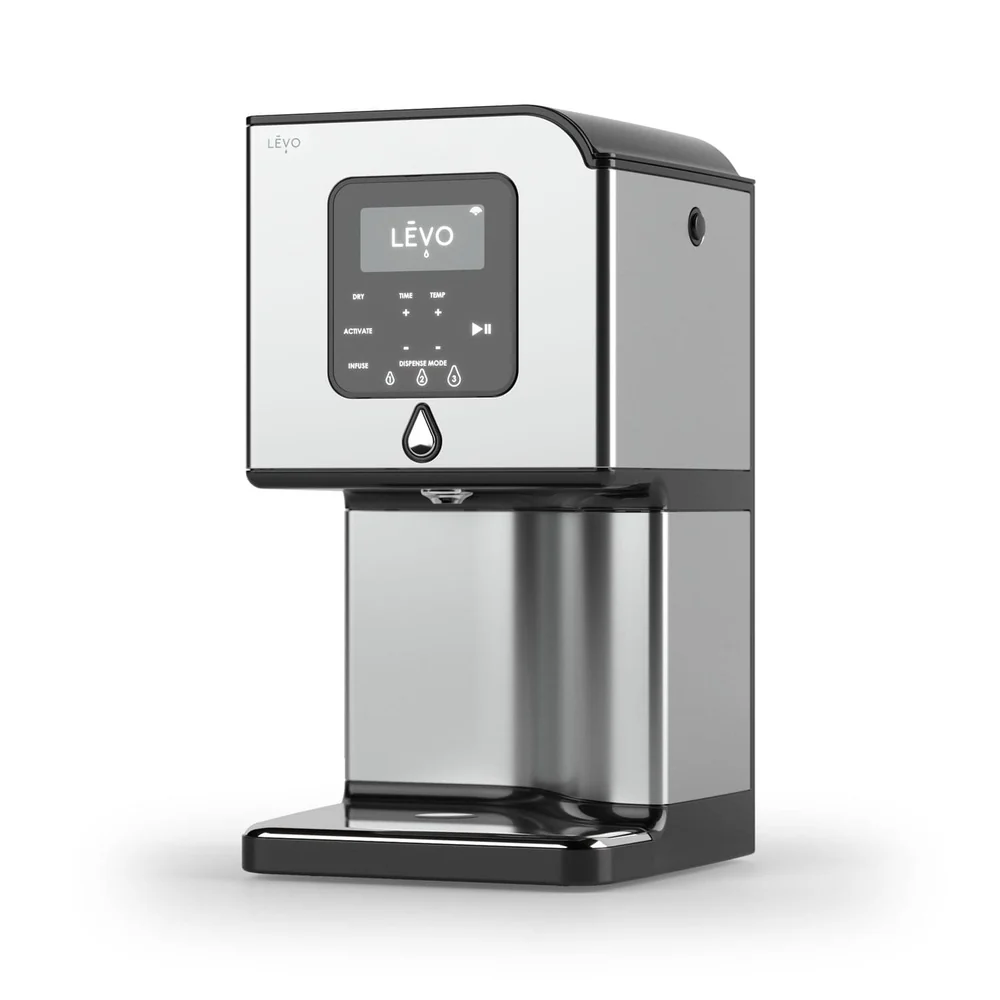
As more people explore making cannabis-infused oils at home, one of the most common challenges is consistency. Even when following the same steps, results can vary from batch to batch. This guide has been updated to reflect not just how to make cannabis cooking oil, but the key factors that can influence how it turns out.
Cannabis cooking oil is the foundation of infused cooking. While there are other ways to incorporate cannabis into food, infused oil remains one of the most versatile and widely used methods for creating both sweet and savory dishes.
One of the reasons many people choose to make cannabis oil at home is that it can be made using relatively simple ingredients and equipment. This gives you more control over the process—from the type of oil you choose to how the infusion is handled—allowing you to tailor it to your preferences.
At the same time, that control comes with a learning curve. Even when the steps are followed carefully, small variables can influence how a batch turns out. Understanding those variables is key to getting more consistent results over time.
Table of Contents
What is Cannabis Cooking Oil?
Cannabis cooking oil—often referred to as canna oil—is a carrier oil that has been infused with cannabinoids extracted from the cannabis plant.
Common carrier oils include olive oil, coconut oil, and MCT oil, though other options like avocado oil or butter can also be used depending on the intended use.
In addition to cannabinoids such as THC and CBD, cannabis-infused oil may contain other naturally occurring compounds from the plant, including terpenes and flavonoids. These contribute to the oil’s aroma and flavor profile and are part of what makes each infusion unique. 1
Cannabis oil can be used in place of traditional oils or butter in a wide range of recipes, making it a flexible base for infused cooking.
How to Make Cannabis Oil at Home?
Making cannabis oil at home involves a few key steps to extract cannabinoids from the plant and infuse them into the carrier oil of your choice. While the process itself is relatively straightforward, how each step is handled can influence the final result.
Cannabis flower (THC- or CBD-dominant, depending on your preference)
A carrier oil (such as olive oil, coconut oil, or MCT oil)
Equipment
Baking sheet
Parchment paper
Grinder (or break up by hand in small granola or chamomile tea-sized pieces)
Double boiler, slow cooker, or infusion device (see note below)
Cheesecloth or fine mesh strainer
Heat-safe bowl or large measuring cup
Glass jar or container for storage
Optional: Candy thermometer
Note: Some people prefer using dedicated infusion devices for more controlled temperature and consistency, especially when trying to reduce variability from batch to batch.
Choosing a Carrier Oil
When choosing a carrier oil for cannabis oil, consider how you plan to use it.
For example, cannabis-infused olive oil remains liquid at room temperature, making it well-suited for dressings and savory dishes. In contrast, coconut oil—especially when unrefined—solidifies as it cools, which can be useful for baking or recipes that benefit from a firmer texture.
Different oils also respond differently to heat and storage conditions, which can influence how the final infusion behaves in your recipes.
Flower-to-Oil Ratio for Canna Oil
The amount of cannabis used relative to oil will influence the overall potency of your infusion. A commonly referenced starting point is 1 ounce (28 grams) of cannabis flower to 2 cups (16 fluid ounces) of oil, though this can be adjusted based on preference. Think of this ratio as a baseline—not a precise formula.
Because cannabinoid content varies by strain and preparation, exact potency can be difficult to predict. Factors like temperature, infusion time, and how evenly the oil is mixed can all influence the final result.
For a more concentrated oil, you can increase the amount of cannabis used. For a milder infusion, use less and adjust over time as you become more familiar with the process. For this reason, many people start with a small amount and adjust gradually over time.
The first step in making cannabis cooking oil is activating the cannabinoids through is activating cannabinoids through heat. This process, called decarboxylation, converts compounds like THCA into their active forms.
A common temperature range is 230°F–250°F for about 30–40 minutes, though slight adjustments may be needed based on your material and oven consistency.
Break the cannabis flower into small, even pieces using a grinder or your hands, then spread it evenly on a parchment-lined baking sheet before placing in the oven.
Step 2: Infuse the Oil
Once decarboxylation is complete, the next step is to infuse the cannabinoids into your chosen oil by gently heating the oil and cannabis together.
A commonly referenced temperature range for infusion is 165°F–212°F, though this can vary depending on the type of oil and method used. 3 Maintaining a low, steady temperature helps preserve cannabinoids and prevent them from degrading. 2
Avoid boiling the oil. If possible, monitor the temperature with a thermometer or maintain a consistent low heat.
Even small fluctuations in temperature or timing can influence how the final oil turns out.
To create your infusion, prepare your preferred method and combine the oil and cannabis:
Double boiler: Maintain a low simmer for about 2 hours
Slow cooker: Set to low and infuse for 4–6 hours
Infusion device: Follow product instructions
Some people prefer dedicated infusion devices for greater temperature control and consistency, especially when making oil regularly.
Photo: Green Bee Life Using an infusion device can help maintain consistent temperature and timing when making cannabis oil.
Canna Oil Infusion Temperatures & Times
TYPE OF OIL
TEMPERATURE
TIME
EVOO/OLIVE OIL
165°F
2:00
GRAPESEED OIL
165°F
2:30
SESAME OIL
165°F
2:30
AVOCADO OIL
175°F
2:00
COCONUT OIL
175°F
2:00
PEANUT OIL
175°F
2:00
BUTTER
210°F-212°F
2:00
Image by: JeffThe420Chef General infusion temperature and time ranges for common home methods
Step 3: Strain the Cannabis Oil
Strain the infused oil through cheesecloth or a fine mesh strainer into a heat-safe container to ensure all plant material is removed.
Use a spatula or spoon to press gently to extract oil, but avoid squeezing too hard, which can affect flavor.
Transfer to a clean, airtight glass jar or container.
Image: upcoming Straining infused oil to remove plant material for a smoother finish.
How to Store Cannabis Oil
You can use cannabis oil immediately while it’s still warm, or store it for later use. If storing, allow the oil to cool completely before sealing the container.
Shelf-stable oils can be kept in a cool, dark place for short-term storage or refrigerated for longer storage. Butter-based infusions should be refrigerated or frozen.
How to Store Cannabis Coconut Oil
Unrefined coconut oil solidifies at cooler temperatures (around 78°F), so choose a container that makes it easy to scoop or portion as needed. Wide-mouth jars or glass storage containers work well. Refrigeration or freezing can extend shelf life.
Cannabis-Infused Olive Oil Shelf Life
Cannabis-infused olive oil can last for several weeks or longer when stored properly, though shelf life may vary depending on preparation and storage conditions. 4
Because infused oils can be more sensitive than their non-infused counterparts, it’s important to monitor for changes in smell or appearance and discard if anything seems off.
Best practices for storage:
Store in a cool, dark place or refrigerate
Use airtight, dark-colored containers
Label with the date it was made
H2: Why Cannabis Oil Doesn’t Always Turn Out the Same
If you’ve ever followed the same steps and still ended up with different results, you’re not alone. One of the most common frustrations with making cannabis oil at home is inconsistency—from potency to flavor to overall effect.
Even when following the same steps, results can vary. That’s because cannabis infusion is sensitive to small variables.
H3: Temperature Isn’t Just a Setting
Temperature fluctuations, even small ones, can impact cannabinoid behavior. Too low may limit extraction, while too high can degrade compounds. 2
Maintaining a steady, controlled temperature—rather than chasing a specific number—is one of the most important factors in creating more consistent results.
H3: Not All Oils Behave the Same
Different carrier oils respond differently to heat, storage, and mixing.
For example, coconut oil solidifies as it cools, while olive oil remains liquid. These differences can affect how evenly cannabinoids are distributed and how the oil performs once it’s used in recipes.
H3: Distribution Isn’t Always Even
Even when everything is measured carefully, cannabinoids may not be evenely distributed throughout the oil, meaning portions of the same batch can vary in strength.
H3: Small Process Differences Add Up
Factors like grind consistency, infusion time, and even the type of equipment used can all influence the outcome.
Individually, these variables may seem minor—but together, they can create noticeable differences from one batch to the next.
H3: Why This Matters
Understanding these variables doesn’t make the process complicated—it makes it more predictable.
Once you begin to recognize how temperature, oil choice, and technique interact, you can make small adjustments that lead to more consistent, repeatable results over time.
Educational Workshop
Why Your Edibles Hit Differently
What you'll learn: potency, consistency, control, and how to get predictable results every time.
This is where infusion shifts from following a recipe to understanding the process. A more detailed breakdown of these variables—and how to manage them—is explored in our step-by-step infusion masterclass.
Frequently Asked Questions About Making Canna Oil
What kind of oil should I use to make cannabis oil?
Olive oil and coconut oil are most commonly used, but other oils—such as avocado, hemp, or butter—can also be used depending on your recipe and preferences.
Do I need to decarboxylate cannabis before making oil?
In most cases, yes. Decarboxylation activates cannabinoids like THC and CBD, allowing them to be more readily available in the infused oil.
How long does it take to make cannabis oil?
The process can take several hours, including decarboxylation and infusion. Exact timing depends on the method used, but slower, lower-temperature approaches are often preferred for more controlled results.
Why does my cannabis oil feel stronger or weaker each time?
Small variables like temperature, mixing, and cannabis potency can affect results—even when following the same process. Over time, paying attention to these variables can help you achieve more consistent outcomes.
How can I tell if cannabis oil has gone bad?
Changes in smell, taste, or appearance—such as a sour odor or cloudiness—can indicate that the oil is no longer fresh. When in doubt, it’s best to discard and make a new batch.
References
Leinen, Z. J. et. al. (2023). Therapeutic Potential of Cannabis: A Comprehensive Review of Current and Future Applications. Nat'l Library of Medicine (PubMed). pmc.ncbi.nlm.nih.govBack to Top
Garcia-Valverde, M. (2022). Effect of temperature in the degradation of cannabinoids: From a brief residence in the gas chromatography inlet port to a longer period in thermal treatments. NIH (PubMed). pmc.ncbi.nlm.nih.govBack to Top
Lee, J. (2021). Here's How Long Infused Olive Oil Really Lasts Read More: https://www.mashed.com/674961/heres-how-long-infused-olive-oil-really-lasts/. mashed. mashed.comBack to Top
Written By
Maria Calabrese, JD, MS
Founder, Green Bee Life
As the founder of Green Bee Life, Maria Calabrese is dedicated to raising consumer awareness within the cannabis industry, filling informational gaps, and fostering consumer confidence. Her work focuses on empowering consumers with the knowledge needed to make informed decisions, ensuring they find the most suitable cannabis solutions for their wellness needs. Maria's expertise helps bridge the connection between consumers and innovative cannabis insights, advocating for informed choices in the evolving landscape of cannabis as a wellness solution.
Editor's Note (2026): As more consumers explore homemade cannabis edibles and infused ingredients, one question continues to come up: How do I create a more consistent experience from batch to batch? This guide has been refreshed for 2026 as a companion resource to Just Say KNOW with Maria – Episode 26: Flower Infusion 101, where […]
Learn how to make cannabis edibles at home with beginner-friendly infusion methods, dosage guidance, decarboxylation basics, and practical storage tips for more consistent homemade recipes.
Learn what a cannabis decarboxylator is, how it works, and why consistent decarboxylation matters for edibles, tinctures, and infusions. A practical guide to choosing the right machine for your needs.
Learn how to make creamy cannabis-infused eggnog with beginner-friendly dosing tips, infusion options, and responsible hosting advice for a cozy, alcohol-free holiday tradition.
Editor's Note (2026): As more consumers explore homemade cannabis edibles and infused ingredients, one question continues to come up: How do I create a more consistent experience from batch to batch? This guide has been refreshed for 2026 as a companion resource to Just Say KNOW with Maria – Episode 26: Flower Infusion 101, where […]
Learn how to make cannabis edibles at home with beginner-friendly infusion methods, dosage guidance, decarboxylation basics, and practical storage tips for more consistent homemade recipes.
Learn what a cannabis decarboxylator is, how it works, and why consistent decarboxylation matters for edibles, tinctures, and infusions. A practical guide to choosing the right machine for your needs.
Learn how to make creamy cannabis-infused eggnog with beginner-friendly dosing tips, infusion options, and responsible hosting advice for a cozy, alcohol-free holiday tradition.