This guide was originally published in 2025 and has been refreshed for 2026 with updated educational resources, infusion guidance, storage recommendations, and beginner-friendly cannabis cooking insights designed to support more informed homemade edible preparation.
Learning how to make cannabis edibles at home can feel intimidating at first, but with the right ingredients, proper dosing, and a basic understanding of infusion methods, homemade edibles can be both approachable and customizable for beginners.
Whether you're using cannabis flower, infused oil, or cannabutter, this guide covers the fundamentals of making edibles at home — including decarboxylation, dosage considerations, beginner-friendly recipes, storage tips, and how different strains and terpenes may influence the overall experience.
For readers exploring DIY cannabis cooking for the first time, this article is designed to help simplify the process while encouraging a more informed and consistent approach to homemade edibles.
Table of Contents
What Are Edibles and Why Make Them Yourself?
Cannabis edibles are foods or beverages infused with cannabinoids such as THC (tetrahydrocannabinol) or CBD (cannabidiol). Common examples include brownies, gummies, chocolates, infused teas, cannabutter, and cannabis cooking oils.
Unlike smoking or vaping, edibles are metabolized through the digestive system and liver, where THC is converted into 11-hydroxy-THC — a compound associated with longer-lasting and sometimes more noticeable effects.1
Many consumers choose homemade edibles because they offer greater control over:
Ingredients — including organic, vegan, or allergen-conscious options
Potency — allowing for more customized THC or CBD serving sizes
Infusion methods — such as oils, butters, or tinctures
Cannabis strains and terpene profiles — which may influence flavor, aroma, and overall experience
Homemade edibles can also be a more cost-effective alternative to commercially prepared products while offering flexibility for different recipes and dietary preferences.
Not all cannabis strains produce the same experience when used in homemade edibles. The strain selected may influence potency, flavor, aroma, and the overall effects associated with the infusion.
In general:
Indica strains are commonly associated with more relaxing or evening-oriented experiences.
Sativa strains are often described as uplifting or energizing, making them popular for daytime use.
Hybrid strains combine characteristics of both indica and sativa varieties and may offer more balanced effects.
Popular Cannabis Strains for Homemade Edibles
Blue Dream — Balanced hybrid with sweet berry notes, often chosen for daytime use
Northern Lights — Classic indica known for earthy flavors and more calming effects
Girl Scout Cookies (GSC) — Flavorful hybrid associated with both relaxation and mental stimulation
Runtz — A fruity hybrid popular for its balanced flavor and potency
Wedding Cake — Dessert-like strain frequently selected for evening-oriented edibles
Pineapple Express — Tropical hybrid often associated with more uplifting effects
Beginner Tip
For newer consumers, starting with milder or balanced strains such as Blue Dream or Northern Lights may help make potency and flavor easier to manage while mastering the basics of homemade infusions.
Terpenes — the aromatic compounds naturally found in cannabis — may also influence the overall experience.2
For example:
Myrcene is often associated with more herbal, relaxing characteristics
Limonene is commonly linked to citrus-forward aromas and uplifting qualities
By understanding both cannabinoid content and terpene profiles, consumers can make more informed choices when preparing cannabis edibles at home.
One of the most common beginner questions is: How much cannabis do I actually need to make edibles?
The answer depends on:
the potency of the flower
the efficiency of the infusion process
desired serving strength
and the number of servings being prepared
As a general estimate:
1 gram of cannabis flower may yield approximately 100–150 mg THC after decarboxylation and infusion, depending on potency and preparation methods.
For lower-dose beginner edibles:
5–10 mg THC per serving is often considered a conservative starting range for many consumers.
Typical Flower Amounts for Homemade Infusions
3.5 grams (⅛ ounce) — suitable for smaller batches
7–14 grams — commonly used for larger infusions or meal prep
Beginner Dosage Reminder
Edibles may take significantly longer to take effect than inhaled cannabis products.
Effects commonly begin within:
30 minutes to 2 hours, and may continue building gradually over several hours.1
Because onset times vary, many beginners choose to:
Start with a lower serving size
Wait before consuming additional amounts, and
Keep notes while learning how different infusions affect them personally
Decarboxylation: Activating THC Before Cooking
Infographic: GBL Creative TeamHow decarboxylation activates cannabinoids before cannabis is infused into homemade edibles.
Before making cannabis edibles at home, the flower must first go through a process called decarboxylation — often shortened to “decarbing.”
Decarboxylation uses controlled heat to convert THCA, the naturally occurring non-intoxicating cannabinoid found in raw cannabis, into THC, the compound commonly associated with cannabis’ psychoactive effects.1
Without this step, homemade edibles may contain significantly less active THC.
In simple terms:
raw cannabis flower contains mostly THCA
heat activates the cannabinoids through decarboxylation
activated cannabis can then be infused into oils, butter, or recipes
Proper decarboxylation can also help improve:
infusion consistency
cannabinoid activation
and overall dosing reliability
Simple Decarb Instructions for Beginners
Preheat oven to 240°F (115°C)
Break cannabis flower into small pieces (avoid grinding too finely)
Spread evenly on a parchment-lined baking tray
Bake for approximately 30–40 minutes
Stir gently once halfway through
Allow cannabis to cool before infusing into oil or butter
Beginner Reminder
Temperature and timing both matter during decarboxylation. Excessive heat may degrade cannabinoids and terpenes, while underheating may result in incomplete activation.
For readers who want a more detailed breakdown of decarb methods, infusion machines, and temperature control, explore our complete guide: How to Decarb Cannabis at Home.
Canna Oil or Cannabutter – The Foundation for Weed Edibles
Cannabis-infused oils and butters are commonly used as the base for homemade edibles and infused recipes.
Most homemade cannabis edibles begin with an infused fat such as butter or oil.
Cannabinoids like THC and CBD are fat-soluble, meaning they bind more effectively to fats during the infusion process. This allows infused oils and butters to become the foundation for a wide variety of homemade edibles — including baked goods, chocolates, sauces, beverages, and salad dressings.
The type of fat used may also influence:
flavor
texture
shelf life
and how the infusion is used in recipes
Common Infusion Bases
Cannabutter — commonly used for brownies, cookies, and baked goods
Coconut oil — popular for gummies, chocolates, and higher-fat infusions
Olive oil — frequently used for savory recipes, dressings, and low-heat cooking
Educational Workshop
Why Your Edibles Hit Differently
What you'll learn: potency, consistency, control, and how to get predictable results every time.
Combine butter and water in a saucepan over low heat
Add decarboxylated cannabis
Simmer gently for approximately 2–3 hours, stirring occasionally
Strain through cheesecloth or a fine mesh strainer
Cool and refrigerate before use
Basic Cannabis Oil Recipe
Ingredients
1 cup coconut oil or olive oil
7–10 grams decarboxylated cannabis flower
Instructions
Combine oil and cannabis over very low heat
Simmer gently for approximately 2–3 hours
Strain and transfer to a sealed glass container
Store in the refrigerator for freshness
For more detailed infusion guidance, dosage considerations, and storage tips, explore our step-by-step guides to:
homemade canna oil
cannabutter
and beginner cannabis infusions
Want to Simplify the Infusion Process?
Many beginners find that maintaining consistent temperatures during decarboxylation and infusion can be one of the more challenging parts of homemade edible preparation.
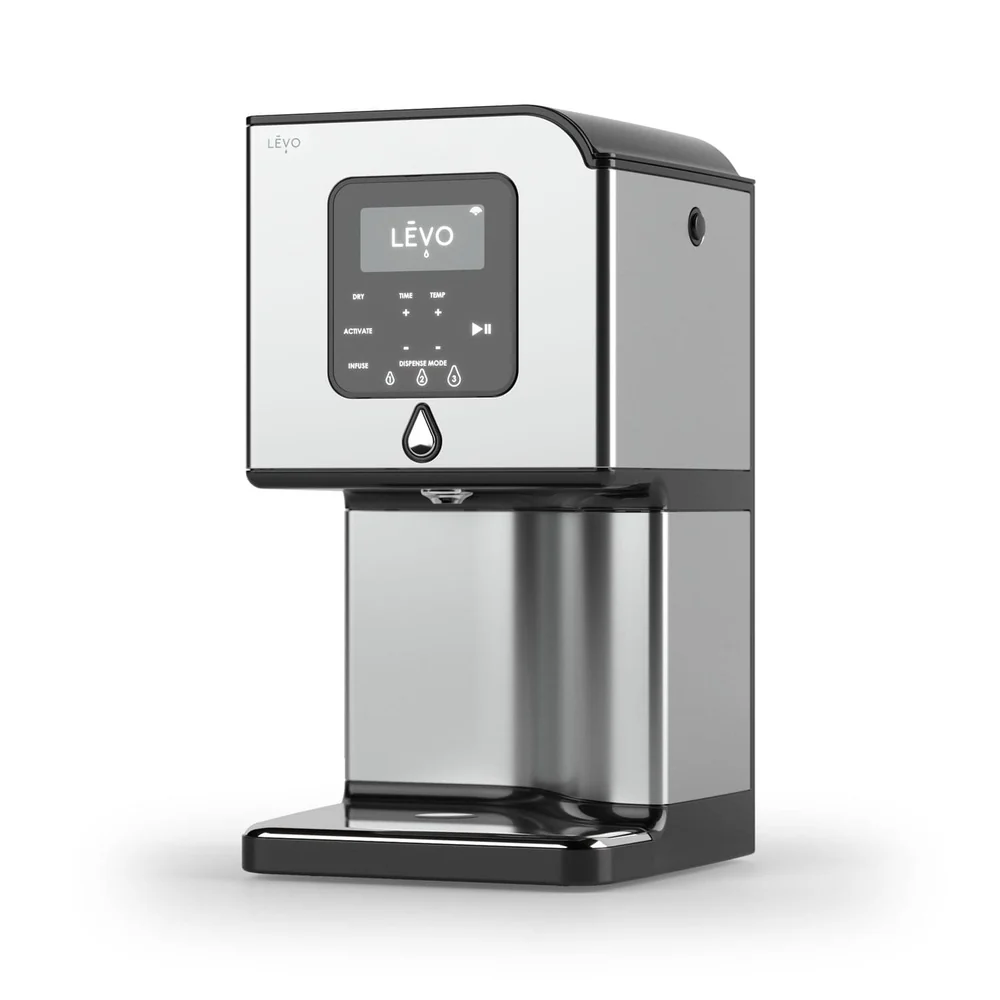
All-in-one infusion machines, including devices such as the Ardent FX and LĒVO II+, are designed to help automate parts of the process by controlling:
temperature
infusion timing
and odor reduction
These educational resources and tools may help simplify homemade infusions and are especially helpful for readers interested in improving oil and butter consistency and simplifying the edible-making process at home
Maria's Everyday Go-To
Make Edibles Easier with the LĒVO II+ Infuser
Effortless, odor-free decarb and infusion in one smart device.
The LĒVO II+ combines decarboxylation and infusion into one countertop device designed for homemade oils, butters, and botanical infusions.
New to DIY edibles? These beginner-friendly options are quick, easy, and don’t require fancy tools or experience. Great for anyone learning how to make edibles at home:
New to homemade edibles? These simple cannabis-infused recipes are approachable for beginners and generally do not require advanced cooking skills or specialized equipment.
Many of these options can be customized using:
cannabutter
infused oils
infused honey
or cannabis milk
Depending on the recipe and desired serving strength.
Easy Homemade Edible Ideas for Beginners
1. Cannabis Brownies
A longtime classic for homemade edibles. Infused butter or oil can easily be added to brownie mixes or homemade recipes.
Readers looking for a classic starting point can explore our beginner-friendly cannabis brownie recipe.
2. Cannabis Gummies
Made with fruit juice, gelatin (or agar-agar), and infused oil, gummies allow for customizable flavors and more controlled serving sizes.
3. Cannabis-Infused Chocolate
Melt chocolate, mix with infused oil, pour into molds, and refrigerate for a simple, beginner-friendly edible.
4. Cannabis Tea
Prepared using decarboxylated cannabis alongside a fat source such as coconut milk or infused oil to help support cannabinoid infusion.
5. Infused Peanut Butter
Combine infused oil with natural peanut butter for a versatile spread that can be added to toast, fruit, or smoothies.
6. Cannabis-Infused Honey
For a longer shelf-life infusion, cannabis-infused honey can be used in teas, desserts, and beverages.
7. No-Bake Energy Bites
Rolled oats, nut butter, and infused oil make an easy option for lower-dose homemade snacks.
8. Cannabis Popcorn
Air-popped popcorn lightly coated with melted cannabutter or infused oil.
9. THC Capsules
Infused oils can be portioned into capsules for more discreet and measured servings.
10. Cannabis Smoothies
Infused oils may be blended into smoothies or shakes alongside fruits and healthy fats.
11. Cannabis-Infused Eggnog
A seasonal option using infused milk or cream combined with warming spices such as cinnamon and nutmeg.
12. Cannabis Milk
Prepared by simmering decarboxylated flower. This versatile base can be used for coffee drinks, chai teas, and homemade infused recipes. For step-by-step guidance, explore our beginner-friendly cannabis milk recipe.
Beginner Tip
For newer consumers, simpler recipes such as brownies, chocolates, popcorn, or infused honey are often easier starting points because they require fewer preparation steps and smaller infusion batches.
Preparing homemade cannabis edibles is only part of the process. Proper storage helps maintain:
freshness
flavor
potency
and product safety over time.
Different types of homemade edibles may require different storage conditions depending on ingredients, moisture content, and infusion method.
Storage Tips for Homemade Cannabis Edibles
Baked Goods (Brownies, Cookies)
Refrigerate for up to 1 week
Freeze for up to 3 months
Cannabutter and Cannabis Oil
Store in an airtight container in the refrigerator for up to 2 months
Freeze for extended storage
Gummies and Candies
Keep in a cool, dry place away from moisture and direct sunlight
Many homemade gummies remain stable for several weeks when stored properly
Label Homemade Infusions Clearly
Include:
preparation date
ingredients
and estimated serving strength when possible
Store Responsibly
Cannabis edibles should always be stored securely and kept away from:
children
pets
and unintended consumers
Storage Tip
Opaque or UV-resistant containers may help reduce cannabinoid degradation caused by prolonged light exposure.4
Homemade Edibles Made Simple
Learning how to make cannabis edibles at home can help consumers better understand:
infusion methods
serving consistency
ingredient selection
and the role cannabinoids and terpenes may play in homemade recipes.
With a basic understanding of decarboxylation, infusion techniques, and serving size considerations, beginners can experiment with a wide variety of homemade edible options using infused oils, butter, honey, milk, and other ingredients.
Homemade edibles also allow for greater flexibility when it comes to:
recipe customization
flavor preferences
dietary considerations
and lower-dose serving control
As with any cannabis product, consistency and patience matter. Many consumers find that taking notes on infusion methods, serving sizes, and preparation techniques can help improve future results over time.
For readers interested in learning more about DIY cannabis cooking, infusion consistency, and beginner-friendly cannabis education, Just Say KNOW with Maria Episode 23, From Garden to Kitchen with Penny Barthel, explores approachable home infusion concepts and practical cannabis cooking insights.
Common Questions About How to Make Edibles at Home
Do edibles feel stronger from smoking or vaping Cannabis?
Edibles are metabolized differently from inhaled cannabis products. During digestion, THC is processed through the liver and converted into 11-hydroxy-THC, which may contribute to longer-lasting and sometimes more noticeable effects for some consumers.1
Can you make edibles without cannabutter?
Yes. Homemade edibles can also be prepared using:
infused oils
tinctures
cannabis honey
cannabis milk
or other fat-based infusions depending on the recipe.
How much THC should beginners start with?
Serving-size tolerance varies significantly across individuals. Many beginners choose to start with lower-dose servings — often around 5mg THC or less — before considering additional consumption.
Waiting before consuming is more important because edible onset times can vary.5
How long do edibles take to work?
Homemade edibles commonly take between:
30 minutes
and 2 hours
to begin taking effect, depending on factors such as:
For many consumers, edible effects may last longer than inhaled cannabis because cannabinoids are processed differently through digestion and liver metabolism.
Does food affect edible absorption?
Food may influence how quickly edibles are absorbed. Meals containing dietary fat may increase cannabinoid absorption for some consumers.
References
Huestis, M. A. (2007). Human Cannabinoid Pharmacokinetics, Chemistry & Biodiversity, 4(8), 1170-1804. Wiley Online Library. onlinelibrary.wiley.comBack to Top
Russo, E. B. (2011). Taming THC: Potential Cannabis Synergy and Phytocannabinoid-Terpenoid Entourage Effects. British Journal of Pharmacology. bpspubs.onlinelibrary.wiley.comBack to Top
Reviewed by: Hopp, C.D., Ph.D., Belfer, M.D., Ph.D, and Shurtleff, Ph.D. (2019). Cannabis (Marijuana) and Cannabinoids: What You Need To Know. National Center for Complementary and Integrative Health (NIH). nccih.nih.govBack to Top
(2024). Keep Food Safe! Food Safety Basics. U.S. Department of Agriculture (USDA. fsis.usda.govBack to Top
Health Canada. (2025). Classification of ingestible cannabis products: Edible cannabis and cannabis extracts. Government of Canada. canada.caBack to Top
Written By
Maria Calabrese, JD, MS
Founder, Green Bee Life
As the founder of Green Bee Life, Maria Calabrese is dedicated to raising consumer awareness within the cannabis industry, filling informational gaps, and fostering consumer confidence. Her work focuses on empowering consumers with the knowledge needed to make informed decisions, ensuring they find the most suitable cannabis solutions for their wellness needs. Maria's expertise helps bridge the connection between consumers and innovative cannabis insights, advocating for informed choices in the evolving landscape of cannabis as a wellness solution.
Editor's Note (2026): As more consumers explore homemade cannabis edibles and infused ingredients, one question continues to come up: How do I create a more consistent experience from batch to batch? This guide has been refreshed for 2026 as a companion resource to Just Say KNOW with Maria – Episode 26: Flower Infusion 101, where […]
Learn how to make cannabis cooking oil at home while understanding the small variables that influence consistency. A practical guide to infusion techniques, ingredient selection, and building confidence in the process.
Learn what a cannabis decarboxylator is, how it works, and why consistent decarboxylation matters for edibles, tinctures, and infusions. A practical guide to choosing the right machine for your needs.
Learn how to make creamy cannabis-infused eggnog with beginner-friendly dosing tips, infusion options, and responsible hosting advice for a cozy, alcohol-free holiday tradition.
Editor's Note (2026): As more consumers explore homemade cannabis edibles and infused ingredients, one question continues to come up: How do I create a more consistent experience from batch to batch? This guide has been refreshed for 2026 as a companion resource to Just Say KNOW with Maria – Episode 26: Flower Infusion 101, where […]
Learn how to make cannabis cooking oil at home while understanding the small variables that influence consistency. A practical guide to infusion techniques, ingredient selection, and building confidence in the process.
Learn what a cannabis decarboxylator is, how it works, and why consistent decarboxylation matters for edibles, tinctures, and infusions. A practical guide to choosing the right machine for your needs.
Learn how to make creamy cannabis-infused eggnog with beginner-friendly dosing tips, infusion options, and responsible hosting advice for a cozy, alcohol-free holiday tradition.